Aesthetic & Functional · Eyelid Surgery
Blepharoplasty removes and repositions excess skin, muscle and fat around the eyelids to correct hooding, puffiness and a tired appearance - restoring a more open, refreshed look while, where needed, improving peripheral vision.
Available at Kelsall Surgical Centre, Cheshire, and iSIGHT Clinic, Southport.
Upper Blepharoplasty
Excess upper eyelid skin can make the eyes look smaller, tired or older, and in more advanced cases can affect peripheral vision. Upper blepharoplasty removes this excess skin - and a small amount of muscle or fat where needed - through an incision carefully placed within the natural eyelid crease to minimise visible scarring.
Lower Blepharoplasty
Lower blepharoplasty softens under-eye bags and puffiness caused by fat prolapse and skin laxity. Depending on your anatomy, this may be performed via an incision hidden inside the eyelid (transconjunctival) or along the lash line, with skin and muscle tightened for a smoother, more rested contour.
Function vs. Cosmetic
Blepharoplasty sits at the crossing point of eye health and appearance, and the two aren't always the same thing.
Severe dermatochalasis - excess, overhanging upper eyelid skin - can physically block the upper part of your visual field, particularly noticeable when reading, driving or looking upward. Where formal visual field testing confirms this obstruction, surgery is considered functional: it's restoring vision that excess skin is genuinely blocking, not simply improving appearance. This distinction matters for insurance cover, which typically requires evidence of visual field impact.
Where the eyelids look heavy, tired or aged but aren't measurably affecting your vision, surgery is considered cosmetic - chosen to refresh appearance rather than to treat a medical problem. It's every bit as carefully planned and performed, but is typically self-funded rather than insured.
Many patients fall somewhere between the two - some visual field impact alongside a cosmetic concern - and the same operation can address both at once. Mr Sultan will clarify which category applies to you during consultation, and what that means for cover and cost.
The Detail That Matters
The upper eyelid is built in layers - skin, the orbicularis oculi muscle beneath it, and pockets of fat sitting between the muscle and the orbital bone. A heavy-looking eyelid can come from an excess of any one of these, or a combination, and good blepharoplasty results come from correctly weighing which layer is actually responsible before deciding what to adjust.
Where fine, crepey excess skin is the main issue and underlying muscle and fat are otherwise healthy, removing skin alone gives a clean, minimally invasive result with the least tissue disturbance.
A thin strip of orbicularis oculi muscle is sometimes conservatively removed or thinned alongside skin, where muscle bulk itself - not just skin - is contributing to a heavy fold.
Fat toward the inner corner of the eye (the medial fat pad) can prolapse with age, appearing as a firm bulge. This is addressed by conservatively removing or repositioning fat - not by removing more skin.
Removing too much of any single layer - skin, muscle or fat - is one of the most common causes of an over-operated, hollow or asymmetric result. Assessing all three, and adjusting only what genuinely needs adjusting, is a routine part of surgical planning for every patient.
Our Approach
Every consultation begins by establishing whether your concerns are functional, aesthetic, or both - this shapes the entire surgical plan.
Incisions are planned along natural creases and contours, with a conservative approach to tissue removal that favours natural, balanced results.
From consultation to surgery to follow-up, your care is planned and delivered personally by Mr Sultan.
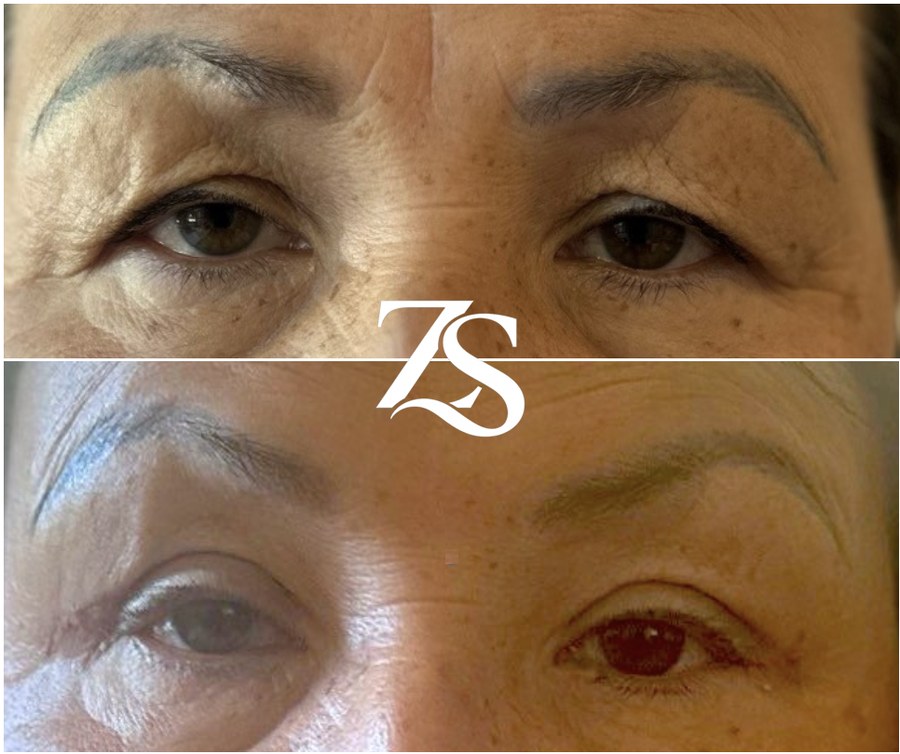
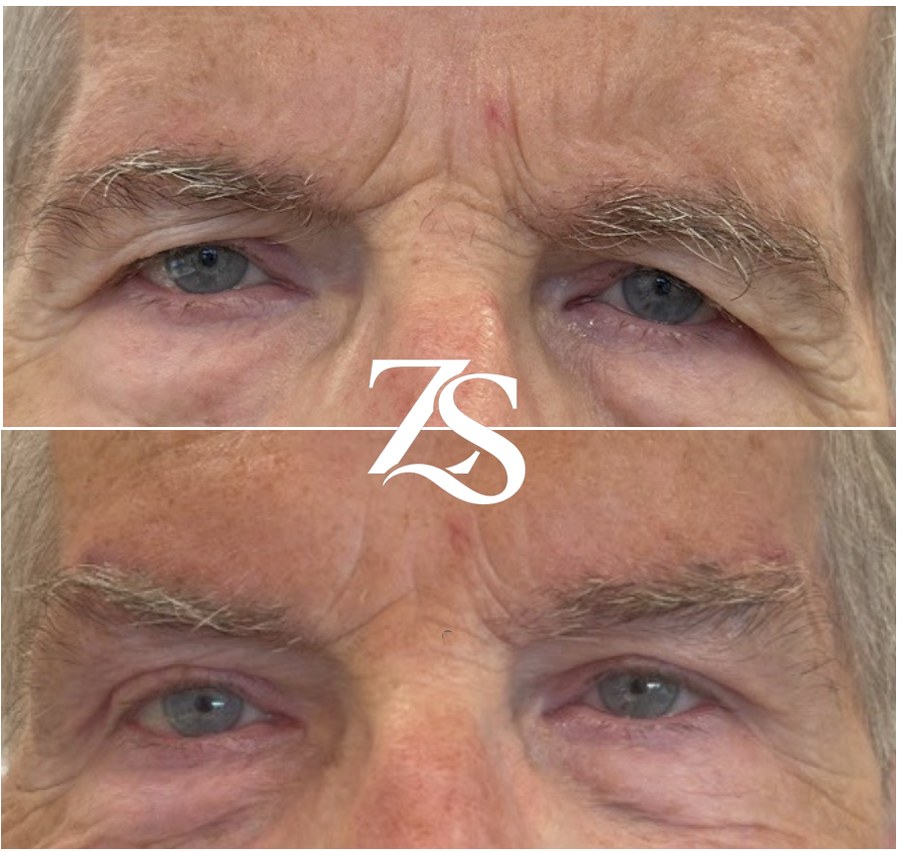
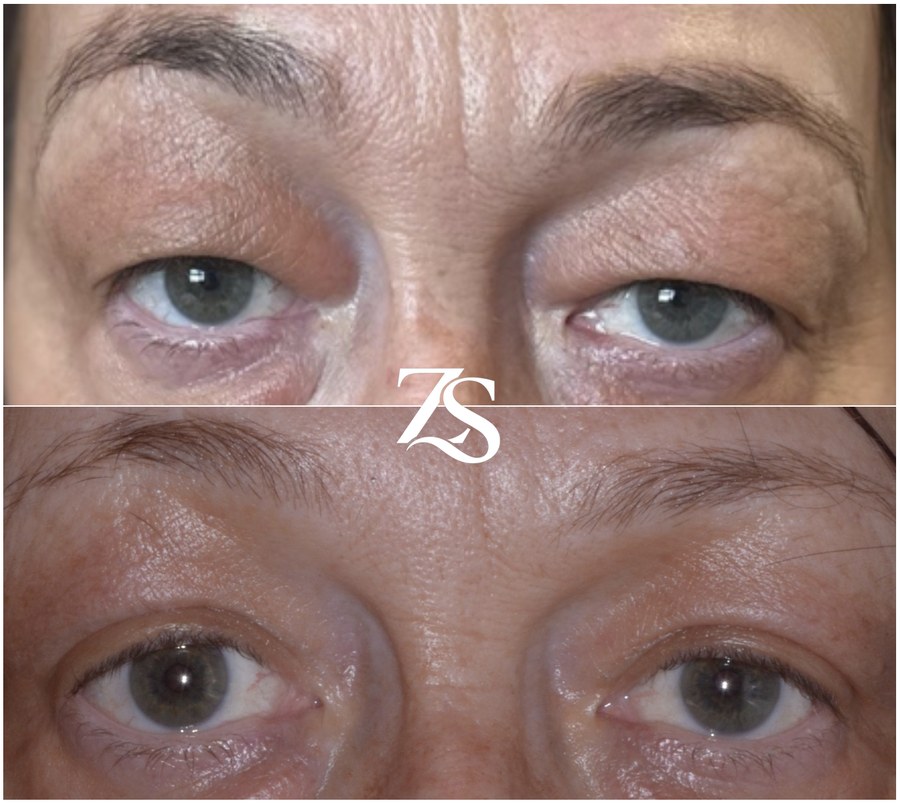
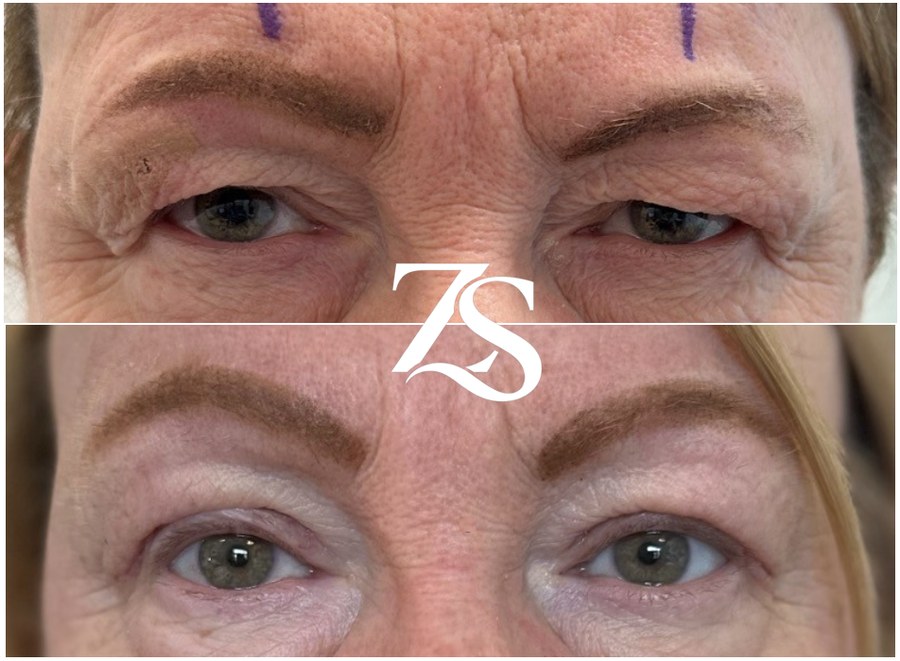
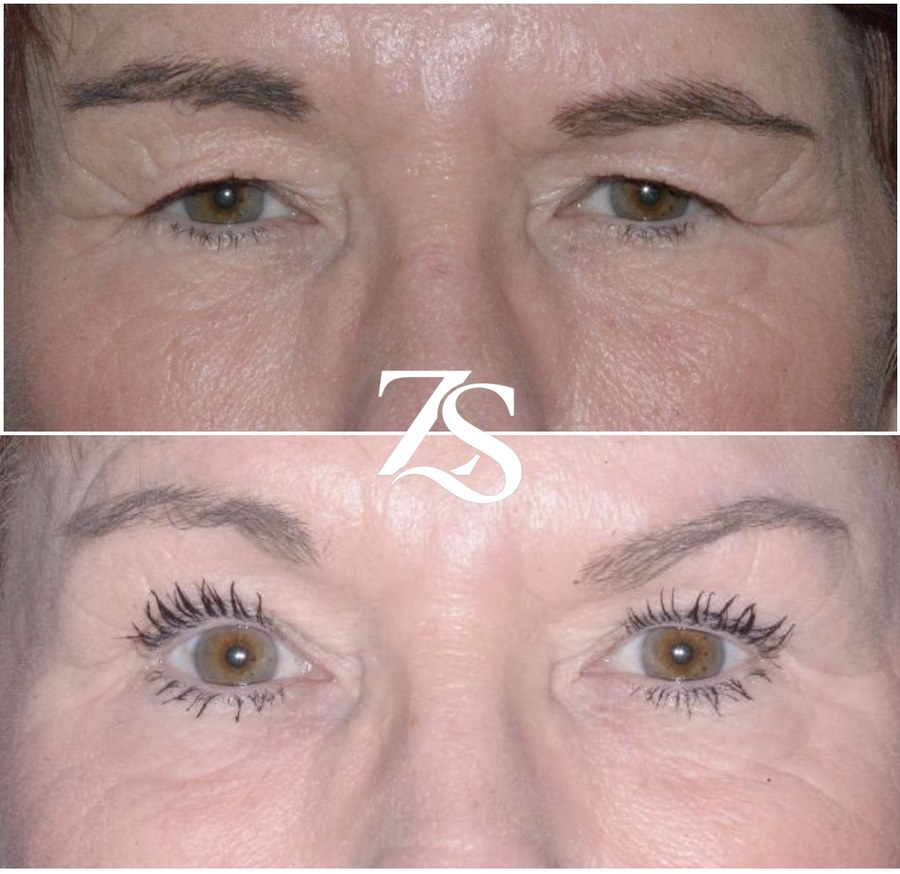
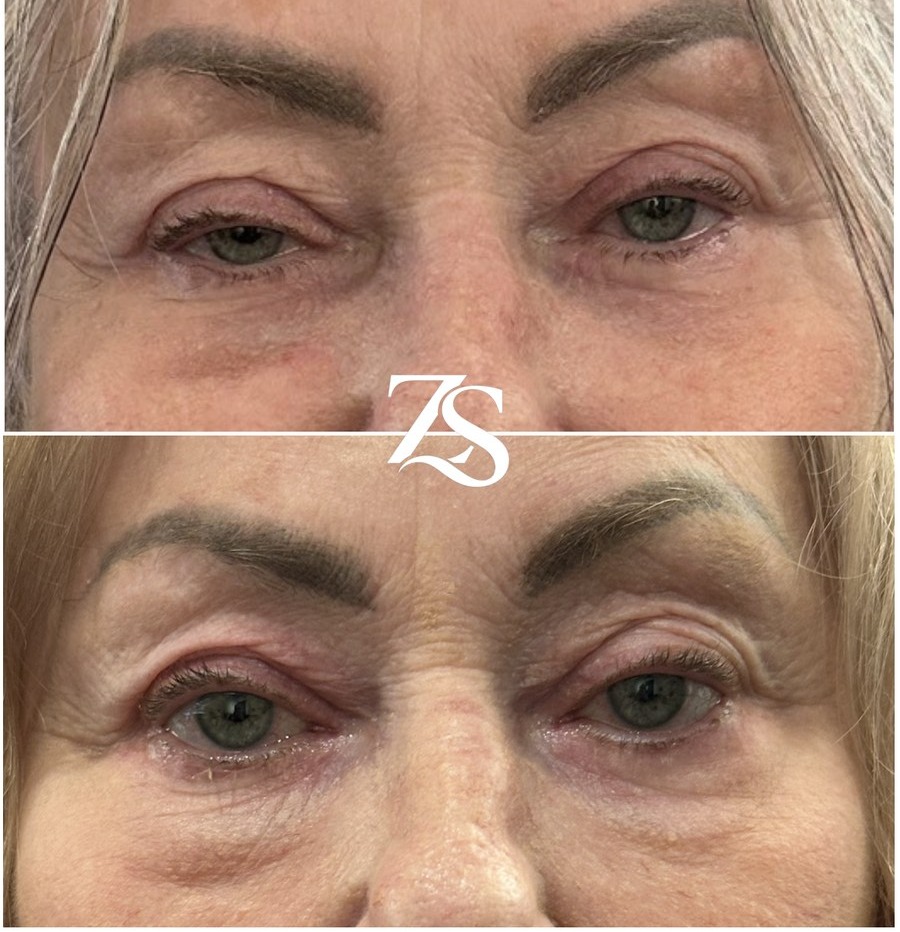
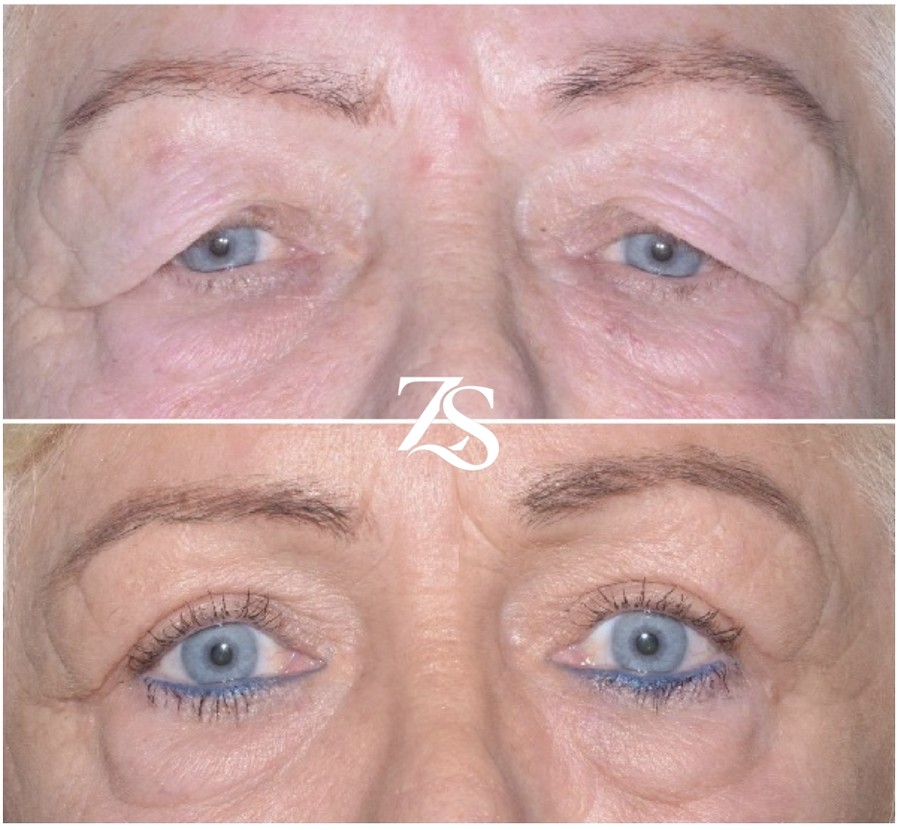
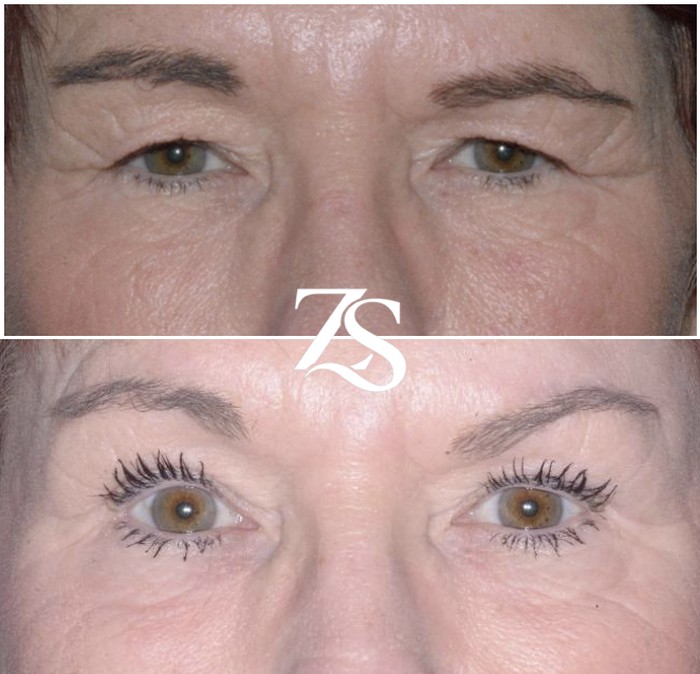
Before & After
Photographs are shared with patient consent. Click any image to view it larger.


Individual results vary. Photographs are shared with patient consent and shown for illustration during consultation.
Feeling Nervous About Surgery?
It's natural to feel anxious about eye surgery, even a short, low-risk procedure. Most patients manage very well with local anaesthetic alone: the eyelid area is thoroughly numbed, and many are surprised by how calm and quick the experience feels once underway.
For patients who are more anxious, oral sedation can be offered where clinically suitable - helping you feel more relaxed and settled throughout, without the need for a general anaesthetic. Whether sedation is right for you is discussed as part of your pre-operative planning, alongside your surgery.
Costs vary between Kelsall Surgical Centre and iSIGHT Clinic, and depend on the complexity of your procedure. After your consultation you'll receive a clear, itemised quote covering the surgeon's fee and any facility or anaesthetist fees, before you decide whether to go ahead. No surprises on the day.
Frequently Asked
Bruising and swelling typically settle over one to two weeks, with most patients returning to work within seven to ten days. Final results continue to refine over several months.
Incisions are placed within the natural eyelid crease or, for many lower-lid cases, hidden on the inner eyelid surface, so scarring is generally minimal and well concealed.
Where eyelid skin is affecting your vision, treatment may qualify as functional surgery and could be covered by insurers such as Allianz, WPA or Aviva, subject to assessment. Purely cosmetic surgery is usually self-funded.
Yes - where brow position is also contributing to a heavy upper-lid appearance, the two procedures are often combined for a more balanced result. This is assessed during consultation.
Book a consultation to discuss whether blepharoplasty is right for you.